By Bilal Akram, CFA, Applied Tech Analyst | Last Updated 23 jan, 2026 |Technology
Introduction: The AI Everyone’s Talking About
From viral TikTok threads to top tech news headlines, ChatGPT has taken the world by storm in 2025. But what exactly is it? How can a single AI model spark debates in classrooms, boardrooms, and content creation communities all at once? In this guide, we break down ChatGPT in simple, beginner-friendly terms, explore how it works, and highlight its real-world impact on everyday life.
If you’re already familiar with the basics and want to know how it stacks up against the competition, check out our full 2025 comparison of ChatGPT vs Gemini.
Understanding ChatGPT
ChatGPT is a conversational artificial intelligence developed by OpenAI. Unlike traditional software, it doesn’t just follow strict instructions; it generates human-like text based on the prompts it receives. Think of it as a smart virtual assistant capable of answering questions, drafting emails, creating content, tutoring, and even sparking creativity in new projects.
Now that you understand the basics of conversational AI, see how this pioneer stacks up against its newest rivals. Read our complete comparison of the [Best AI Chatbots of 2026] to find the right tool for you.
Once you master the fundamentals of prompting, you can explore hundreds of ideas in our dedicated guide on the best ChatGPT use cases for business and creativity
A Brief History
Launched in 2022, ChatGPT quickly evolved into one of the most recognized AI tools worldwide. Its development is rooted in deep learning and natural language processing (NLP), allowing it to understand context, nuance, and even humor to some extent. By 2025, it’s no longer just an experimental chatbot but a productivity tool used by millions daily.
Key Features
- Generates coherent and context-aware responses
- Can summarize, translate, and write content
- Customizable through prompts for different tones and purposes
- Accessible via web, apps, and integrations with other tools
How Does ChatGPT Work?
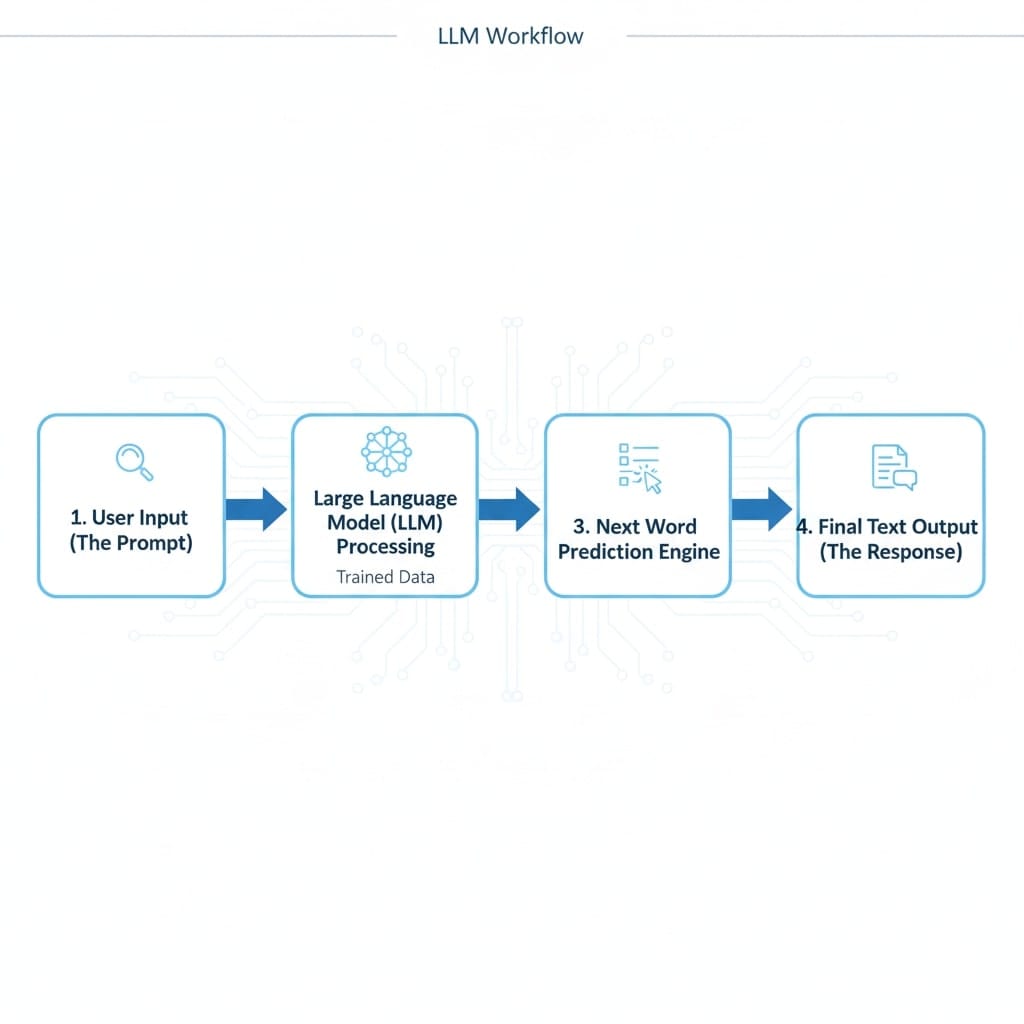
At its core, ChatGPT uses AI models called large language models (LLMs). These models are trained on massive amounts of text data, learning patterns in language. When you type a prompt, ChatGPT predicts the most likely next words based on its training, crafting responses that feel natural and conversational.
Real-World Examples
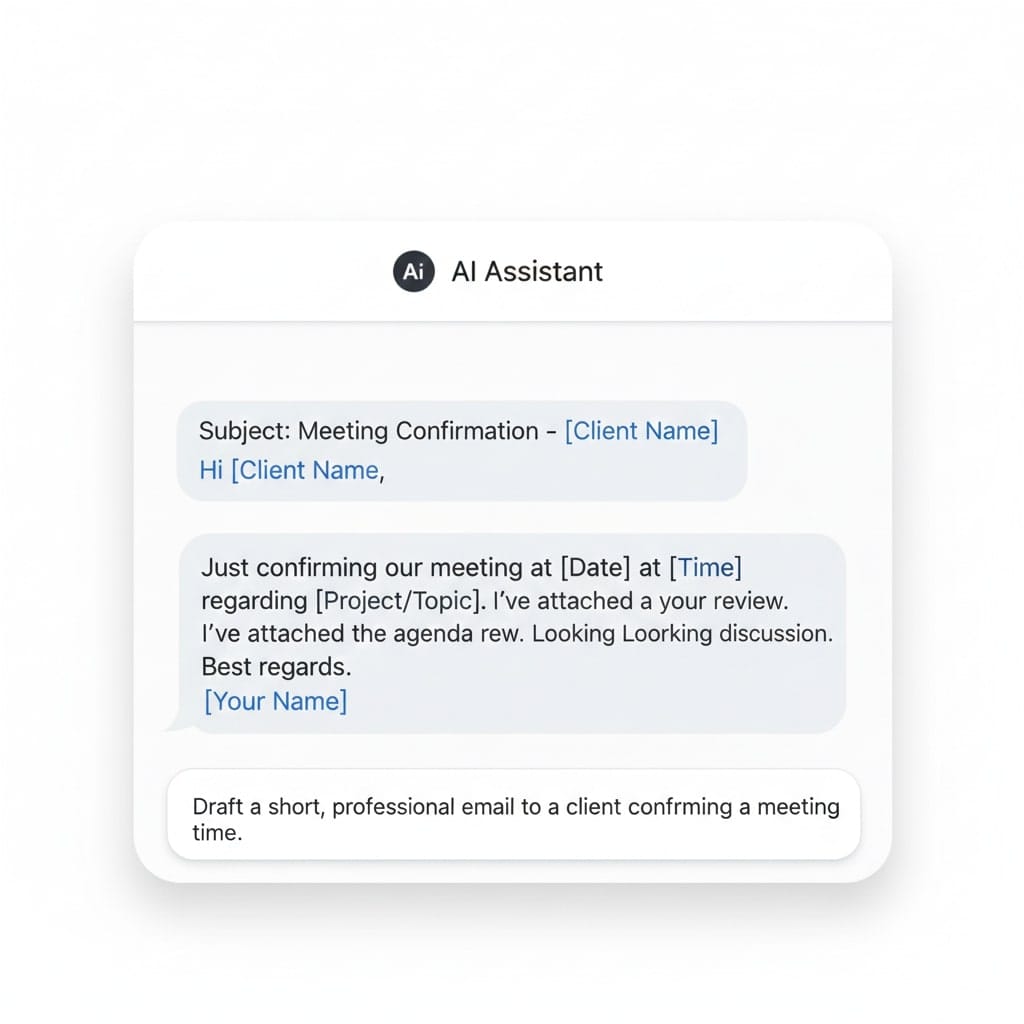
People are using ChatGPT in countless ways today:
- Content Creation: Bloggers and social media creators generate ideas, captions, and full articles.
- Learning & Research: Students get explanations of complex topics or summaries of current events.
- Customer Support: Companies integrate ChatGPT to answer common questions instantly.
- Personal Productivity: Users automate emails, write scripts, or brainstorm projects.
Everyday Impact
From aiding remote workers to assisting small businesses with marketing strategies, ChatGPT has become a tool that blends seamlessly into daily life. Its influence on trends, digital communication, and even the way people consume information cannot be overstated.
The Buzz in 2025: Why Everyone’s Talking About It
Recently, ChatGPT has been featured in major news outlets for its ability to generate viral content, assist in AI-driven journalism, and support creative projects. For Gen Z and millennial audiences, it represents both an opportunity to streamline work and a cultural phenomenon shaping how we interact with AI daily.
Ethical Considerations
As ChatGPT grows more powerful, discussions about AI ethics, misinformation, and responsible usage have intensified. While it can greatly improve productivity, users must remain cautious about over-reliance and verify important information generated by AI.
Future Outlook

The evolution of ChatGPT continues at a rapid pace. Integration with other AI tools, voice interfaces, and automation platforms is creating a future where AI doesn’t just respond it collaborates. Businesses, creators, and tech enthusiasts are preparing for an era where AI becomes an essential digital teammate.
Beginner Tips to Get Started
- Experiment with simple prompts and observe responses.
- Use it for drafting content, summaries, or brainstorming ideas.
- Leverage integrations with tools like Google Docs, Notion, or Slack for productivity.
- Verify information from credible sources when using AI for research.
- Stay updated on new features as AI continues to evolve.
What is ChatGPT used for?
ChatGPT is used for conversational AI, content creation, research, tutoring, and automation in daily tasks.
How accurate is ChatGPT?
While highly sophisticated, ChatGPT may occasionally provide incorrect or outdated information, so verification is recommended.
Can ChatGPT replace human writers?
Not entirely. It assists writers by generating drafts and ideas but lacks true creativity and judgment.
Is ChatGPT free to use?
ChatGPT offers both free and subscription plans with premium features for professional or high-volume use.
How safe is it to use ChatGPT?
It’s generally safe, but users should avoid sharing sensitive personal information and always fact-check outputs.

𝑻𝒉𝒆 𝑷𝒖𝒍𝒔𝒆 𝒐𝒇 𝑮𝒍𝒐𝒃𝒂𝒍 𝑨𝒇𝒇𝒂𝒊𝒓𝒔

4 thoughts on “What is ChatGPT? A Beginner’s Guide”